Street Vendors
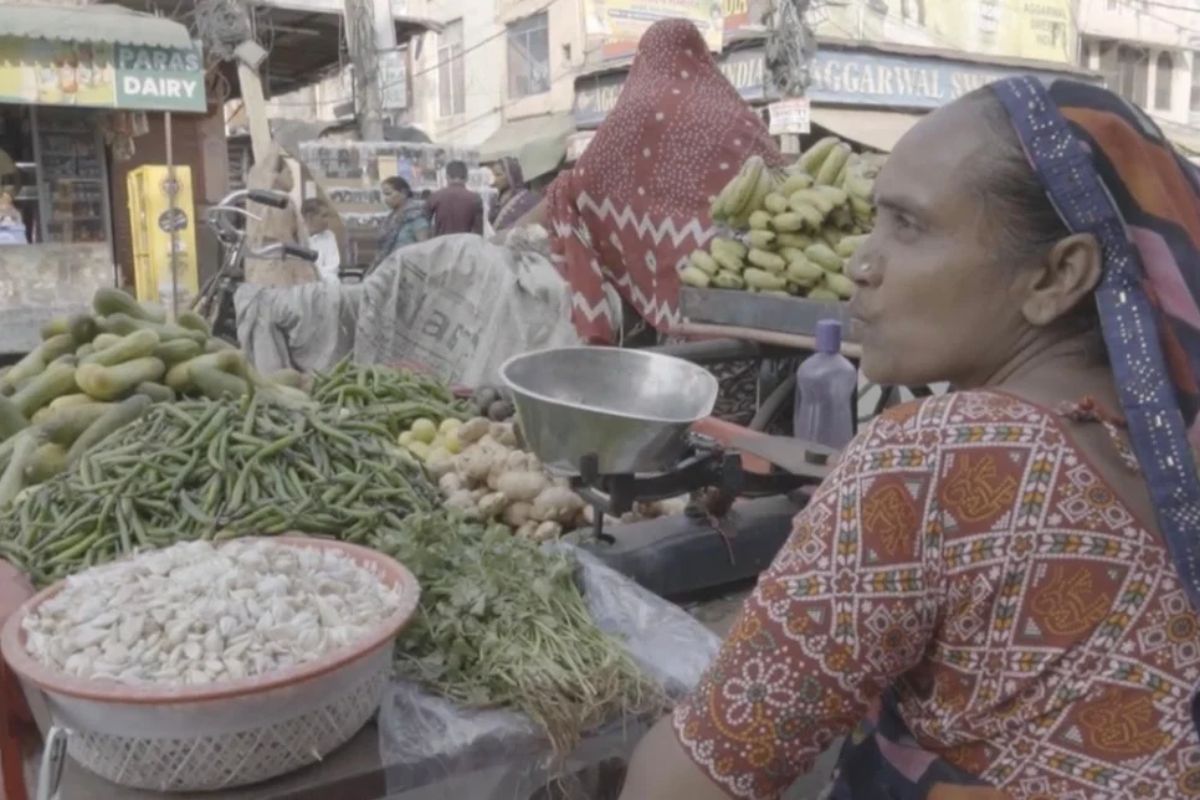
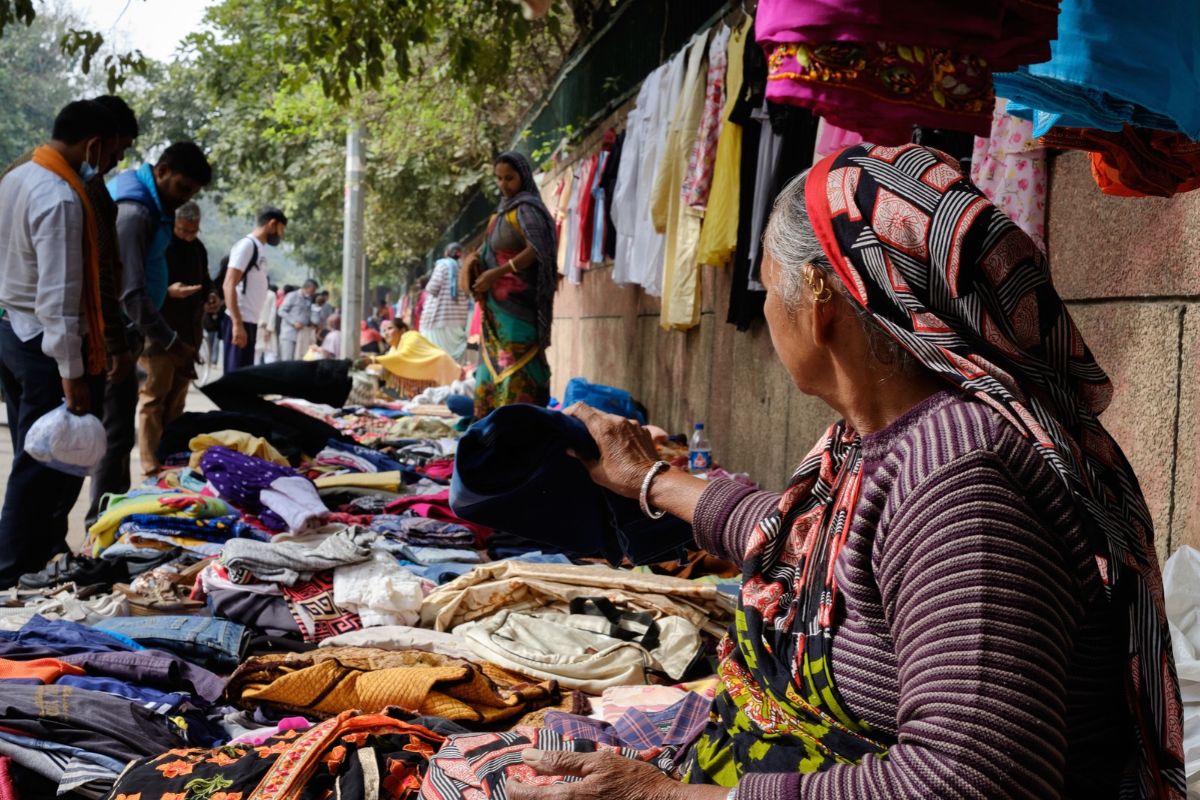
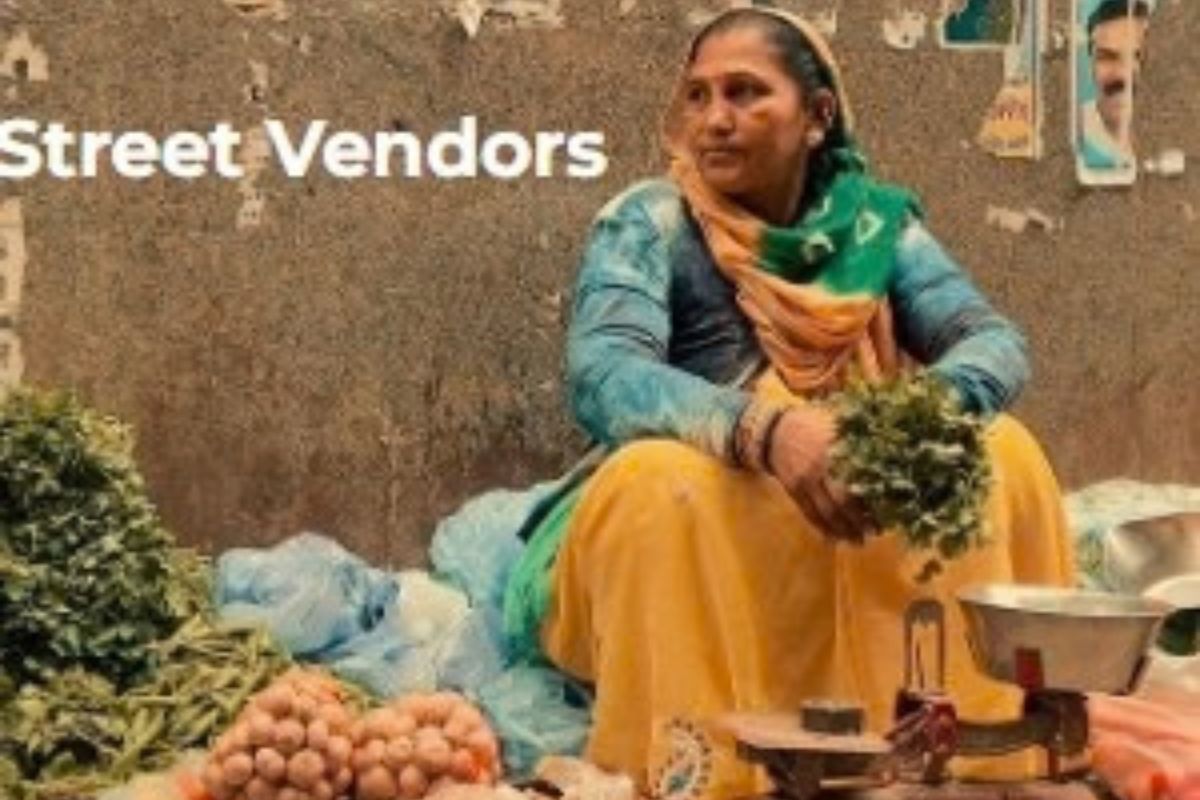
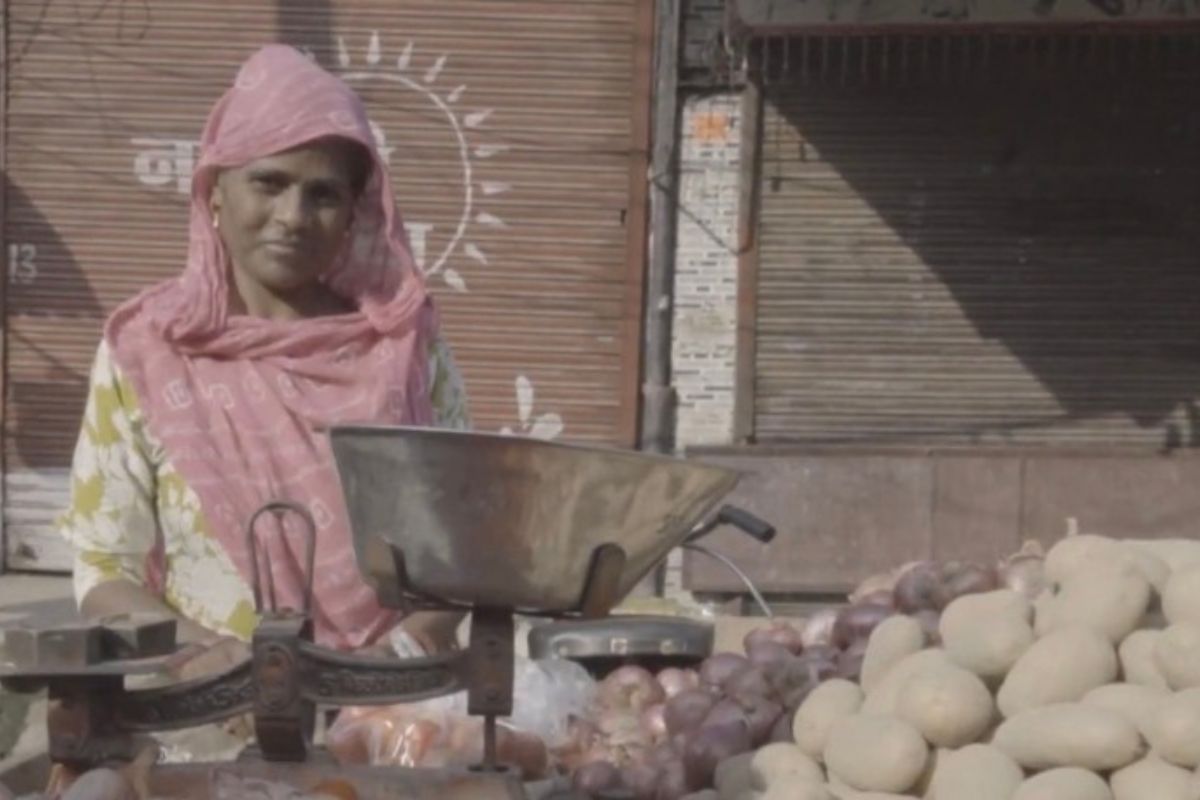
Street vendors are an essential part of Delhi’s informal economy, providing affordable goods and services while creating livelihoods for themselves and their families. They may operate from pushcarts, temporary stalls, pavements or move from place to place carrying their goods.
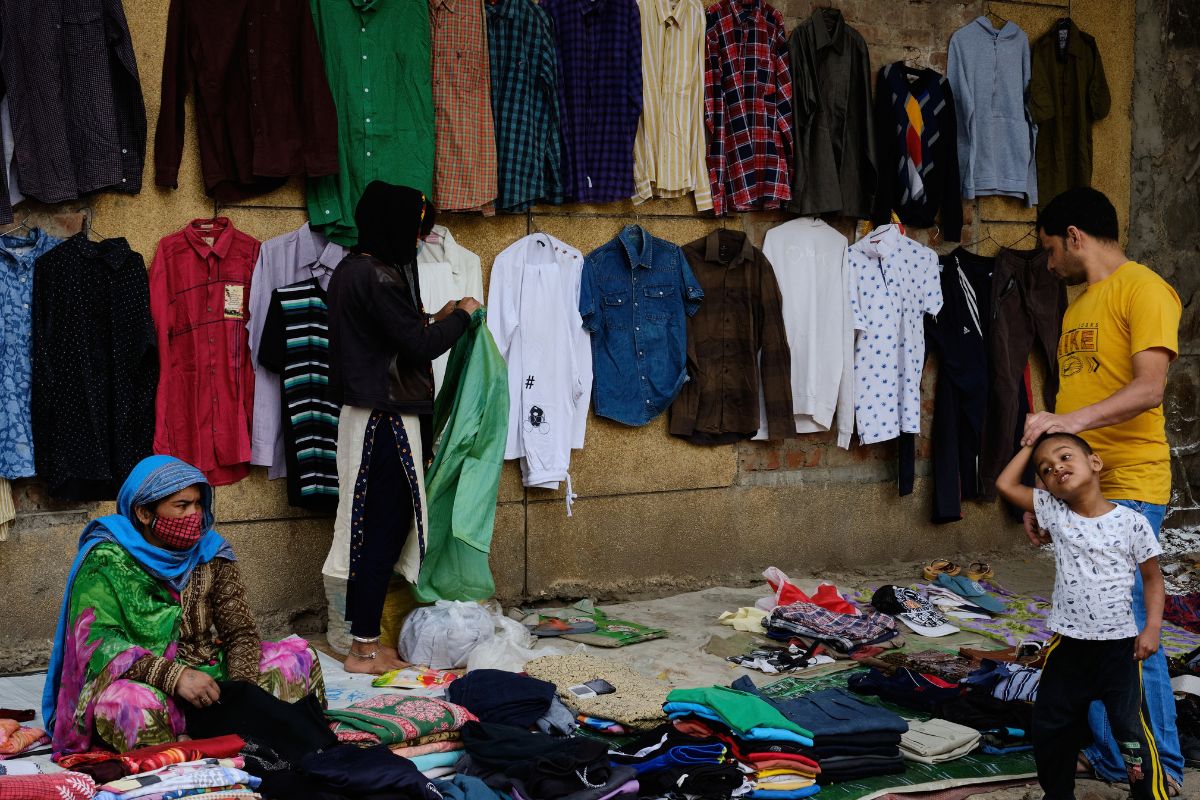
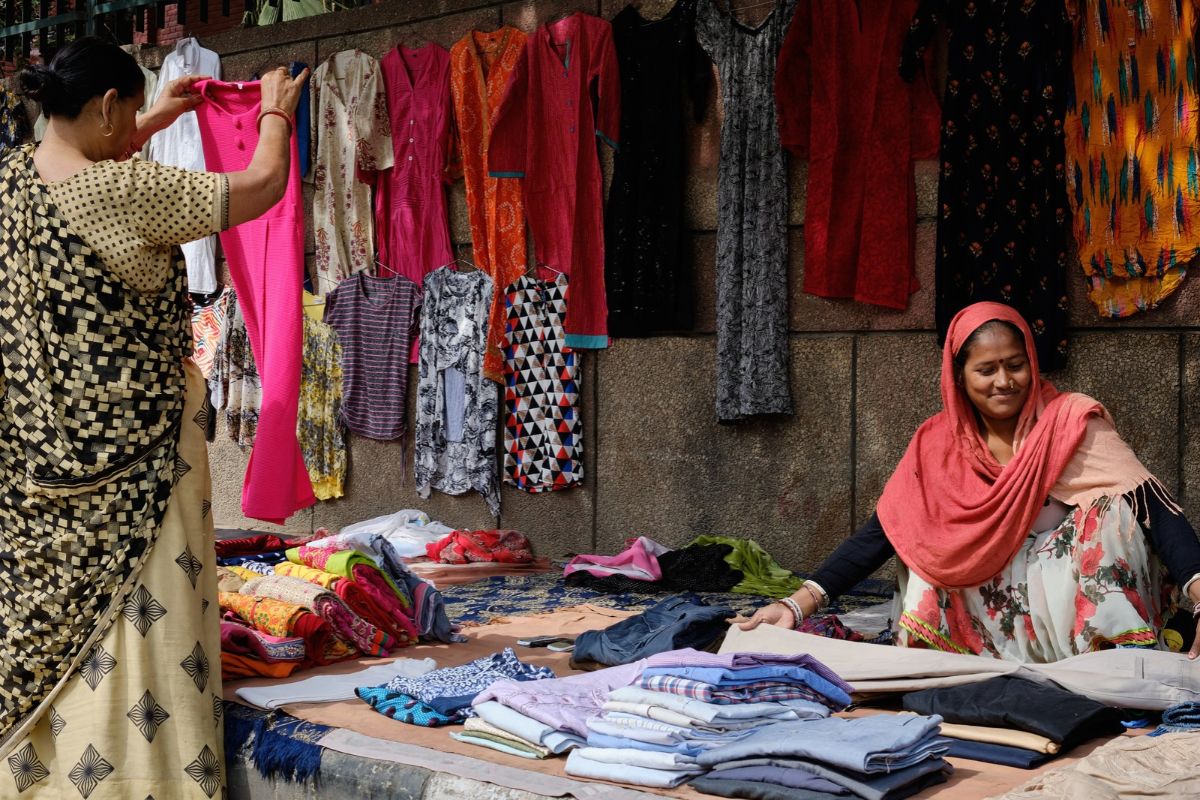
SEWA Delhi works with women street vendors, particularly across Raghubir Nagar, Sundar Nagri and Jahangirpuri, whose work reflects the diversity and resilience of informal livelihoods—from pheri vendors who exchange old clothes for household utensils and contribute to a circular economy, to mochi vendors who sell handmade or refurbished footwear at affordable prices. SEWA Delhi supports women in strengthening their financial and business knowledge, accessing entitlements and social security, building leadership and collective capacity, and works towards safe, organised and accessible vending spaces. It also engages with authorities and supports women in addressing challenges related to their livelihoods and markets.
“We work hard to earn every day, but without recognition, access to finance and social protection, one setback can take away everything we have built.”
Regularizing Markets
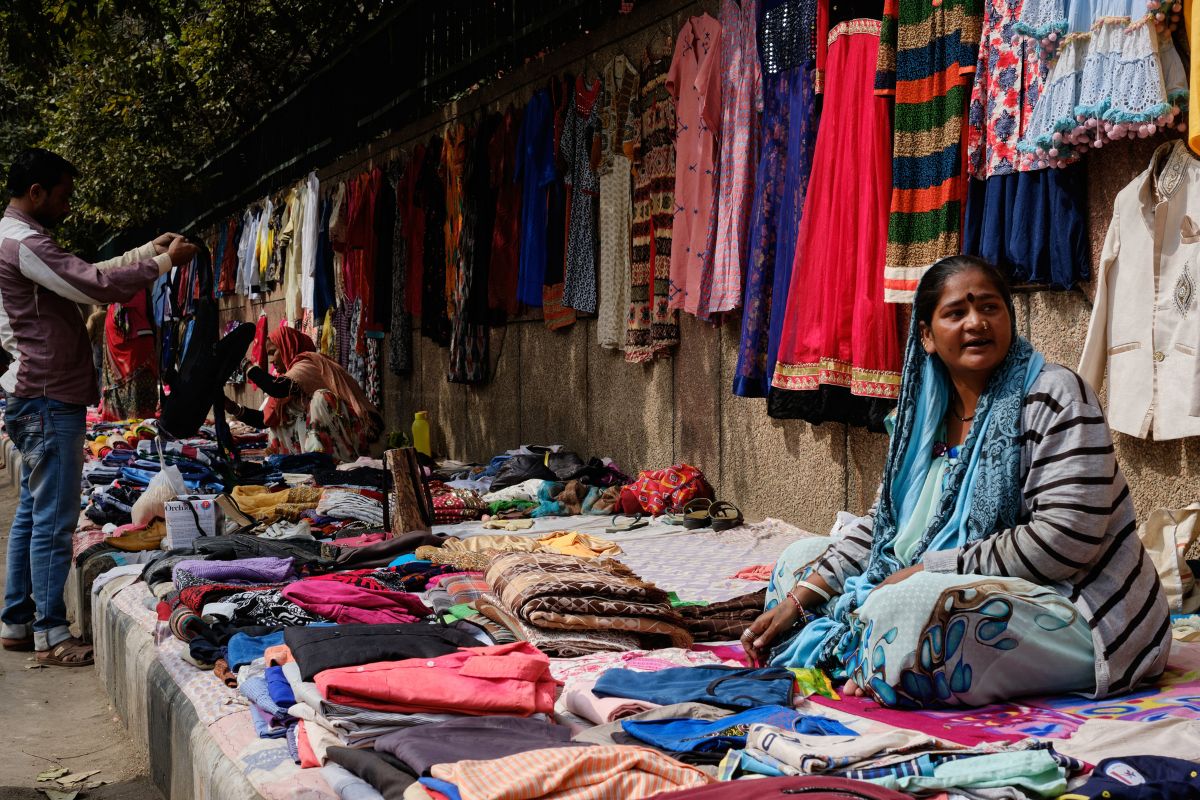
SEWA Delhi has been actively working with women street vendors across multiple weekly bazaars, supporting them in creating organised, safe, and accessible vending spaces. Through continuous engagement, planning support, and coordination with authorities, these markets are now functioning smoothly and sustainably.
The Book Bazaar at Mahila Haat on Asaf Ali Road, operating as a Sunday market, has been successfully running in an organised manner with regular coordination for its maintenance and management.
The Kabadi Bazaar, one of Delhi’s oldest heritage markets with roots tracing back to the Mughal era and functioning behind the Red Fort since the 1970s, has undergone several relocations over time. SEWA Delhi has been consistently working towards its reinstatement and continues to engage with authorities to secure a stable and permanent space for its functioning.
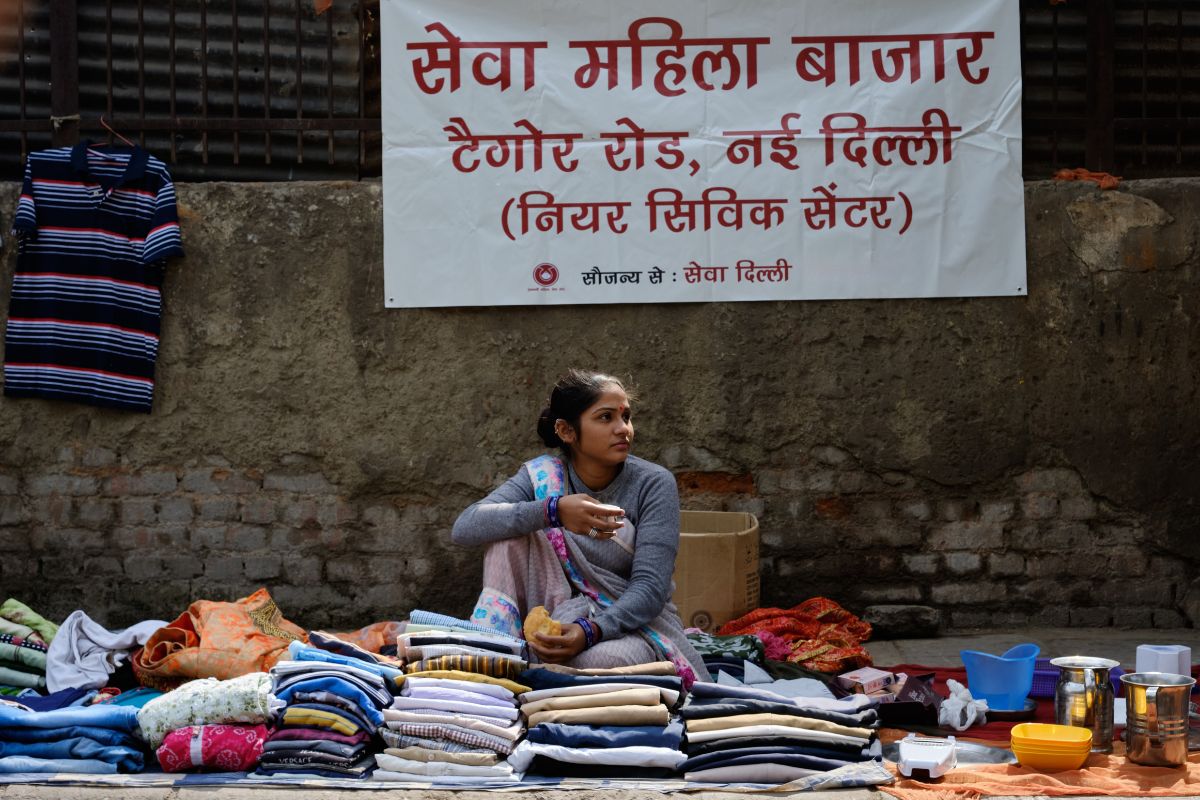
The Mahila Market, located behind Dr. Zakir Hussain College on Tagore Road, is a women-led market that has been functioning smoothly based on a well-planned layout developed through consultations with vendors and experts. The market continues to operate efficiently, supported by a strong vendor-led committee ensuring proper management and transparency.
The Qutub Road Market, which has been operating for the past 50–60 years near Sadar Bazaar, was re-established in 2010 after being removed earlier. Since then, it has been running seamlessly, with regular support from SEWA Delhi through visits, capacity-building efforts, and ongoing coordination for its strengthening.
Overall, these markets stand as strong examples of collective organisation and sustained efforts towards securing safe and dignified livelihoods for street vendors.