Home-Based Workers
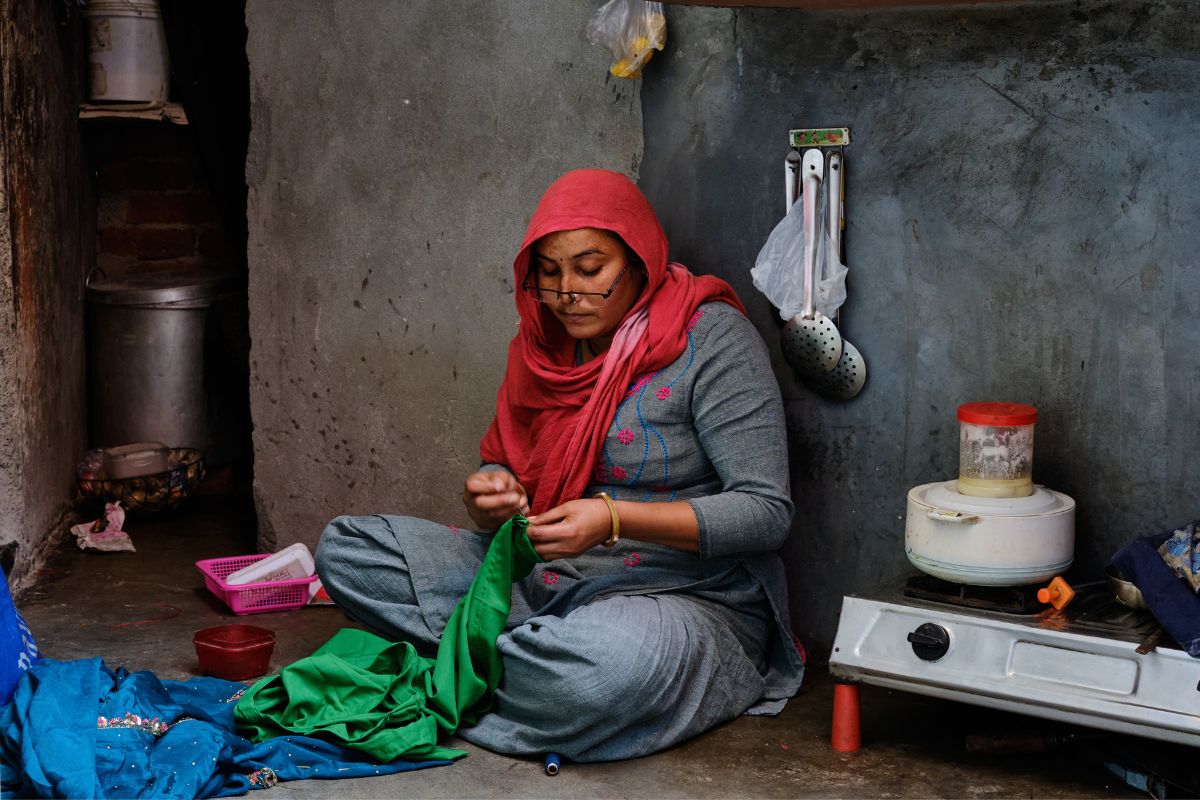
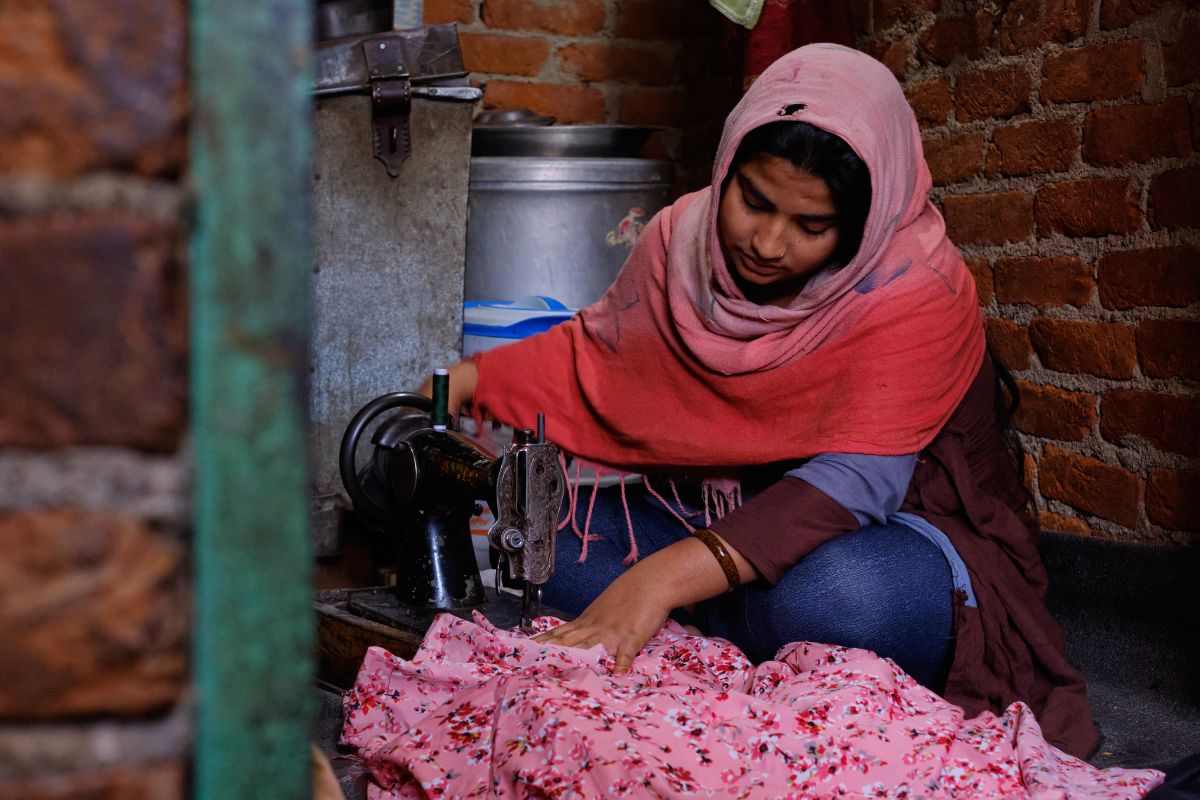
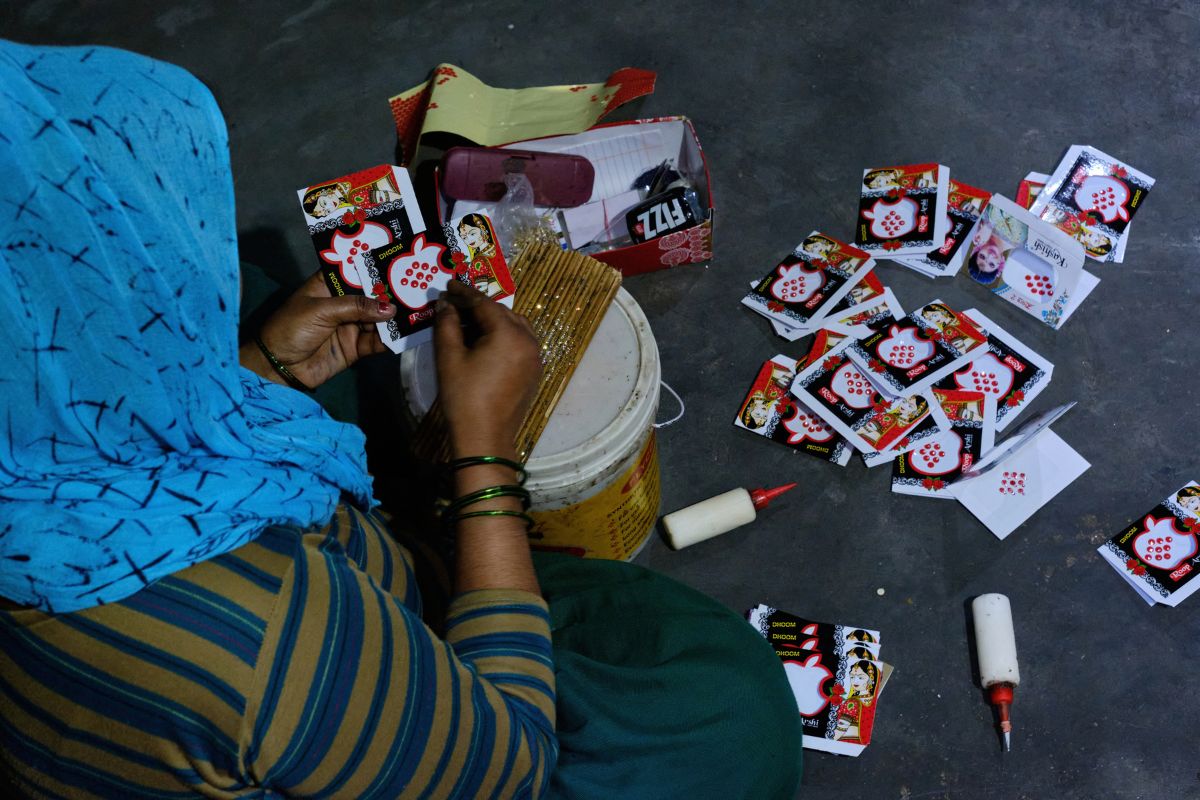
Home-based workers are an integral part of the informal economy, yet their work often remains invisible and unrecognised, leaving them without adequate social security or workplace protections. Many are self-employed, while others work for contractors on a piece-rate basis, carrying out production from their homes.
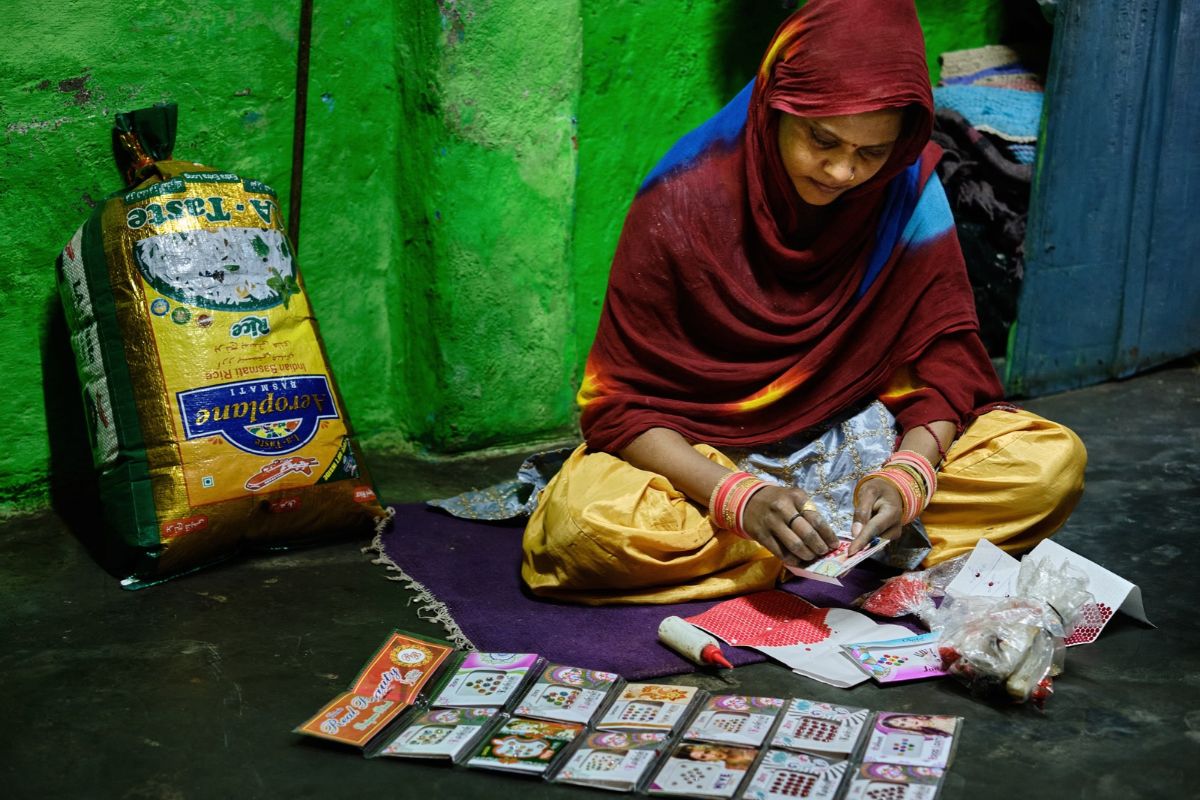
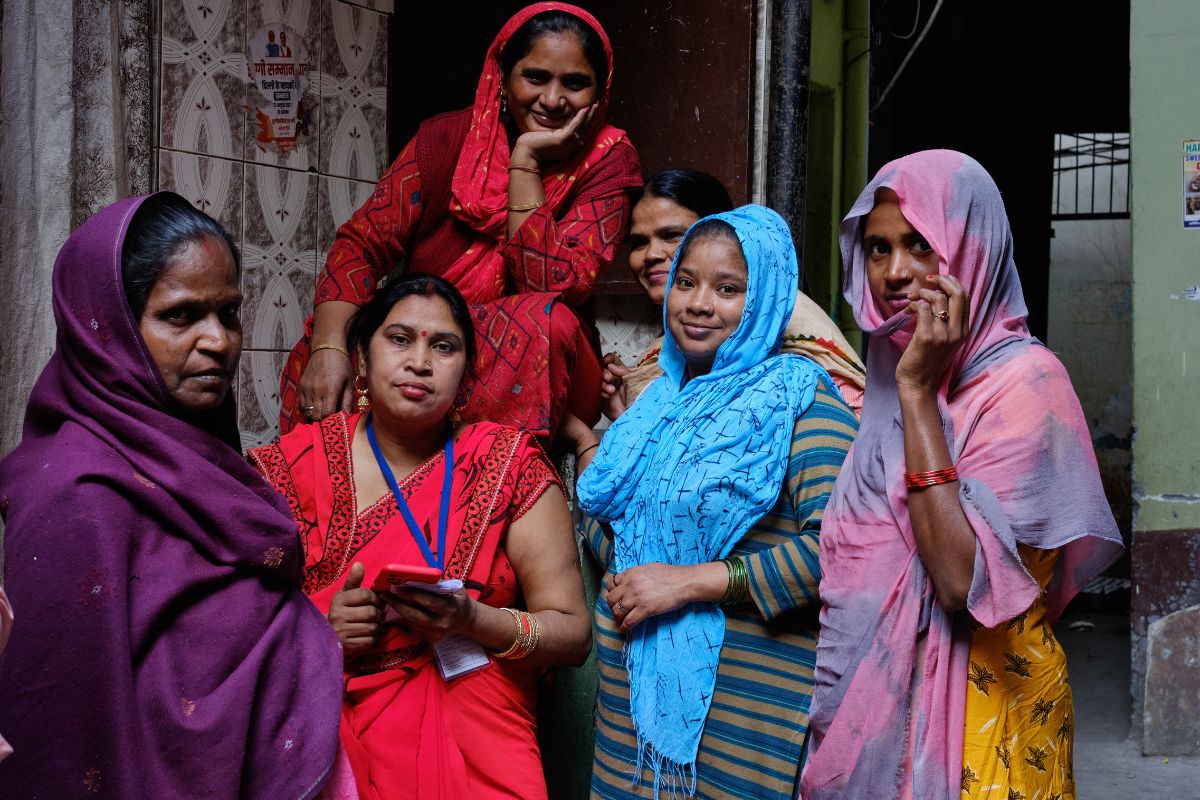
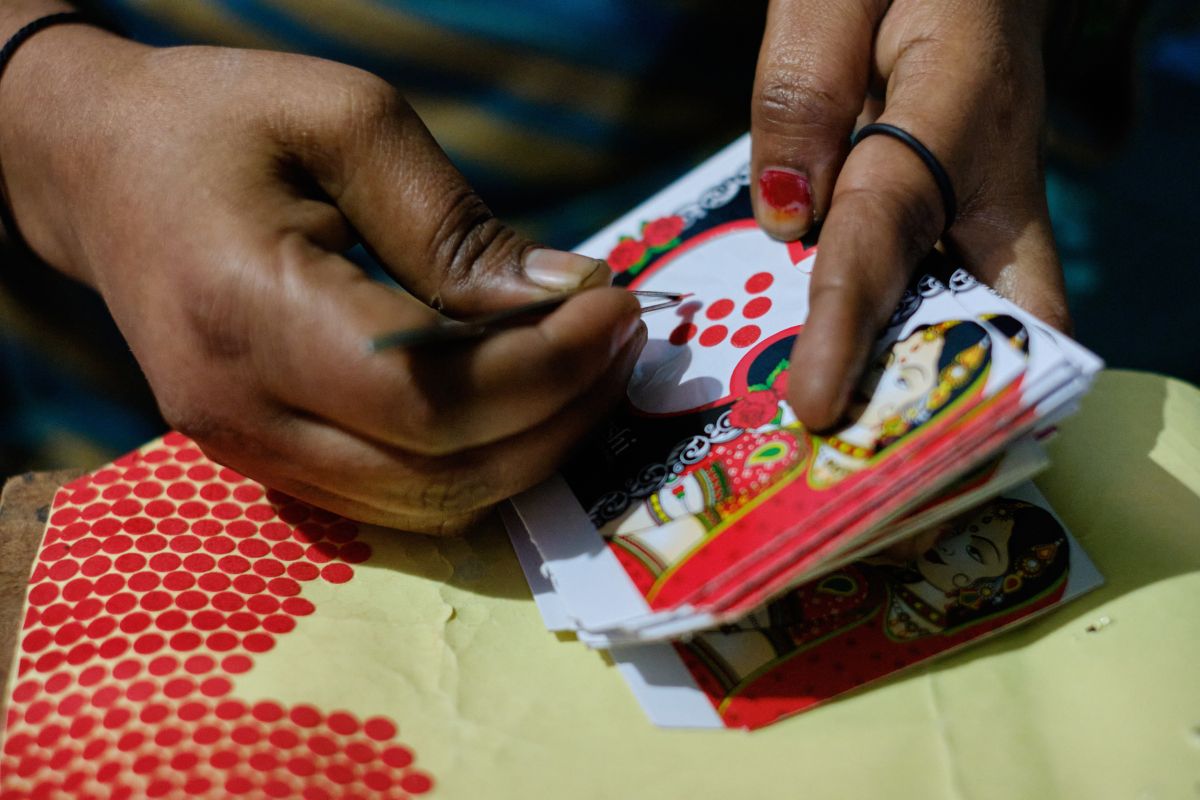
In 1999, SEWA Delhi identified a large community of home-based workers in East Delhi, engaged in making bindis, bangles, bedsheets, embroidery and other products. Many had migrated from parts of Uttar Pradesh and Madhya Pradesh in search of better livelihood opportunities.
Despite working from their homes, these women were connected to the larger readymade garment supply chain, often producing for contractors under informal and unequal working arrangements. WIEGO’s analysis of national data shows that 66% of women home-based workers earned ₹23 or less per hour, highlighting the low returns from their labour. Many also lack access to benefits such as paid leave, pensions and accident insurance. SEWA Delhi works to make their contribution visible, strengthen their livelihoods, and improve their access to fair wages, recognition, social security and greater economic security.
“Our work is done inside our homes, so people often do not see how much we contribute. We work for long hours, but our efforts and contributions often go unnoticed.”
“I have skills and experience, but finding regular and fairly paid work is still a challenge. Even when I have the skills to do the work, opportunities are not always available or consistent.”